Iranian Cyber Threat Actors

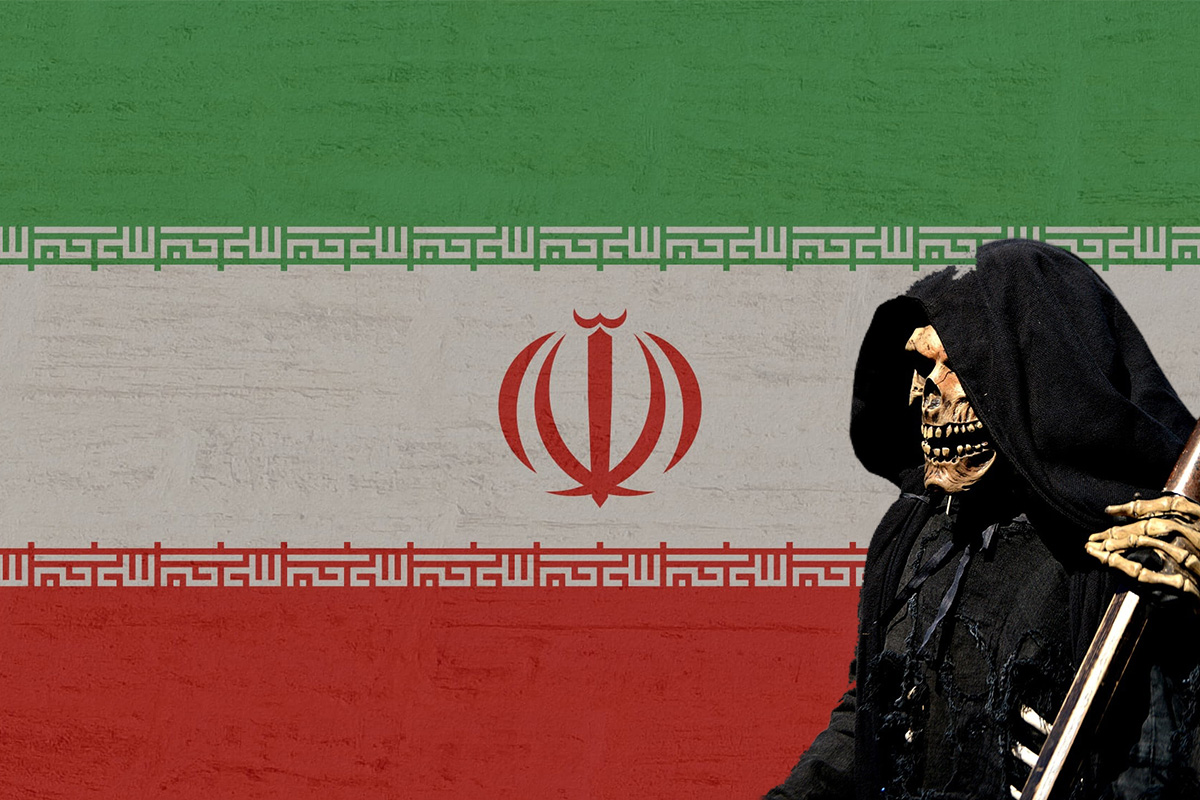
Iranian state-sponsored cyber threat actors—including groups operating under the direction of the Islamic Revolutionary Guard Corps (IRGC) and the Ministry of Intelligence and Security (MOIS)—represent a persistent and strategically motivated threat. Historically focused on cyber espionage and surveillance, Iranian cyber operations have evolved into a broader capability set that now includes credential harvesting, influence operations, opportunistic disruption, and targeting of critical infrastructure. Their campaigns have affected government agencies, education, critical infrastructure, and private-sector organizations aligned with US and regional geopolitical interests.
This evolution reflects a broader Iranian strategy that blends espionage, influence, and disruption to advance geopolitical objectives while maintaining plausible deniability through proxy and contractor-style groups. Iranian actors increasingly rely on social engineering, cloud and identity compromise, exploitation of internet-facing and edge devices, and living-off-the-land (LOTL) techniques to gain persistent access and retain options for future disruption.
As geopolitical tensions continue, organizations—particularly those in government, education, and critical infrastructure—should expect sustained and adaptive Iranian cyber activity. As assessed by the NJCCIC, strengthening identity security, improving visibility into known Iranian tactics, and rapidly patching exposed systems are essential to mitigating the risks posed by Iran’s evolving cyber threat landscape.